
 Loading...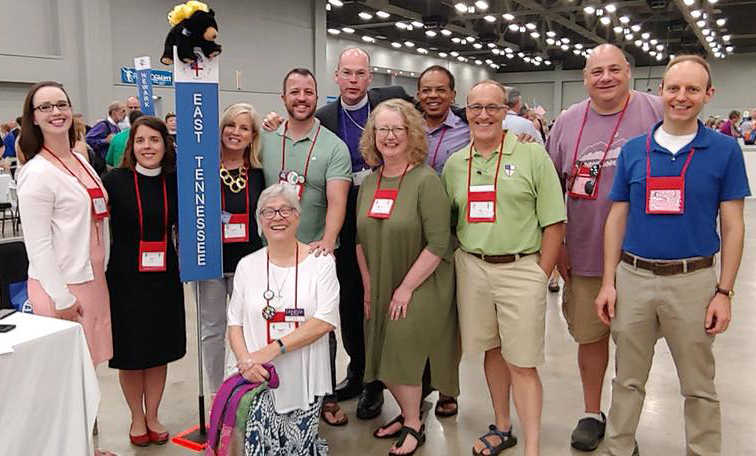
The 79th General Convention of The Episcopal Church is now history. Some might say nothing much got done because we didn't make the headlines this time - except for one dreadfully misleading headling that came directly from Episcopal News Service. The truth is that we did a lot but it didn't always look like it has in the past.
First of all, we did approve a Task Force to begin working on how the Book of Common Prayer should be revised. There is no date set for when this will happen. We memorialized the 1979 Book of Common Prayer which seems to mean that it is available for use until the coming of the Kingdom (the Church of England did something similar with their 1662 Book).
Remember that we have been revision the BCP for about twenty years with the publication of alternate services in the series called Enriching Our Worship. Here at St. Christopher's, we have used all three of the Eucharistic Prayers available in that series. So revision is not at all new in our recent history and shouldn't cause widespread panic.
We approved continued rites for same sex blessings and marriages. This was a compromise situation as there are several dioceses whose bishops forbid these rites to be used. Same sex mariage is legal in the United States and we have approved it for Episcopalians. For couples in those eight dioceses, this resolution allows them to be married in their home parish, provided the rector is willing, and a bishop who objects will ask a bishop in a neighboring diocese to oversee the marriage. This is called Designated Episcopal Pastoral Oversight (DEPO) and has been used several times in the recent past when there is an issue that divides a bishop and a diocese.
We made several changes to the Canons, particularly Title IV which is the disciplinary canon for clergy. This was done for two reasons: 1. there were errors that had to be cleared up, and 2. it is necessary to strengthen the response to sexual misconduct in light of the "Me Too" revelations. Changes were also made to reinforce mandatory training for all clergy and seminarians on Anti-Racism, Safeguarding God's People and Safeguarding God's Children.
For me, the significant difference between this Convention and the others I have been a part of was the times of listening. We had three times set aside to listen to presentations on Racial Reconciliation, Evangelism, and Care of Creation. All of these were powerful and followed by discussion within our deputation on how to carry what we heard back into our diocese. We also listened to the Schentrup family tell their stories about the death of their daughter, Carmen, at Parkland School on Ash Wednesday. We listened to The Rev. Lauren Stanley tell about ministering to the people of South Sudan and the genocide taking place there. We listened to people with disabilities tell us about how unwelcoming General Convention is for them. We listened to Bishop Grisenda of Cuba talk about how good it was to be restored to The Episcopal Church. We listened to women who have been abused and belittled in our beloved Church. We listened to the plight of Palestinians.
We acted on almost all of these conversations and will continue to do so throughout the next three years before Convention meets again, this time in Baltimore. But we need all congregations and people of faith to listen, too. If the experience was limited to the 1,000 of us who were in Austin, then the listening, the sharing of stories, is for naught.
How can we engage in listening to people in our own communities? That is the work that we so often overlook, instead thinking only of ways we can help them out. I know stories are shared at The Clothes Closet. Where else can we make this happen?